Hearing rarely changes all at once. More often, people start noticing small things that were not an issue before. A favorite restaurant feels louder than it used to. Group conversations become harder to follow.

The television volume creeps up a few notches over time. Sometimes those changes are connected to hearing itself, and sometimes they have more to do with hearing aid performance or aging technology.

The challenge is that these changes are easy to normalize when they happen over months or years. By the time they become obvious, they may have been affecting daily communication for quite a while.

How Hearing Needs Change Over the Years

Hearing needs rarely stay the same year after year. The places you spend time, the conversations you have and the demands on your hearing can all change.

Someone who once needed help mainly during family gatherings may later find that work meetings, restaurants or phone calls require more attention.

Hearing loss itself can also change, which may affect how speech, background noise and different voices are perceived. As a result, the hearing support that felt right at one stage of life may not match the listening situations that become important later on.

Signs Your Hearing Aids Are No Longer Doing Enough

Most people don’t notice this through a hearing test result. They notice it in everyday situations that start feeling more difficult than they used to.

Some common signs include:

    • Asking people to repeat themselves more often.
    • Struggling to follow group conversations.
    • Missing parts of phone calls or video chats.
    • Feeling more tired after long conversations.
    • Relying on captions more than before.
    • Turning the television up higher than usual.
    • Avoiding places where listening feels frustrating or exhausting.

When Repairs and Adjustments Stop Making a Difference

There may come a point when the devices are working as intended, yet certain listening situations still feel different than they once did.

In those cases, the conversation often shifts away from maintenance and toward understanding whether hearing needs have changed since the hearing aids were first selected.

Weighing Your Current Hearing Aids Against New Technology

Deciding whether to keep your current hearing aids or consider newer technology isn’t always straightforward. Sometimes the question has less to do with age and more to do with how well the devices fit your current hearing and lifestyle.

Hearing aids that worked well several years ago may have been designed around different listening habits, communication needs or technology standards. Features that are now common, like direct phone connectivity or more advanced background noise handling, may not exist in older models.

At the same time, many people continue wearing hearing aids successfully for years, which is why the decision often comes down to how the devices are performing in the situations that matter most to them.

Key Questions to Consider Before Upgrading Your Hearing Aids

Before you decide to upgrade, take some time to think about what you want your hearing aids to do for you each day. Writing this down can make your next visit more productive and clear.

You might ask yourself questions like:

  • Do my current hearing aids still match my most recent hearing test results?
  • Am I missing words in the places that matter most, like work, family time or group events?
  • Are there new features, like rechargeability or better noise control?

Bringing clear answers to these questions gives an audiologist a strong starting point.

Planning Your Next Steps with Your Audiologist

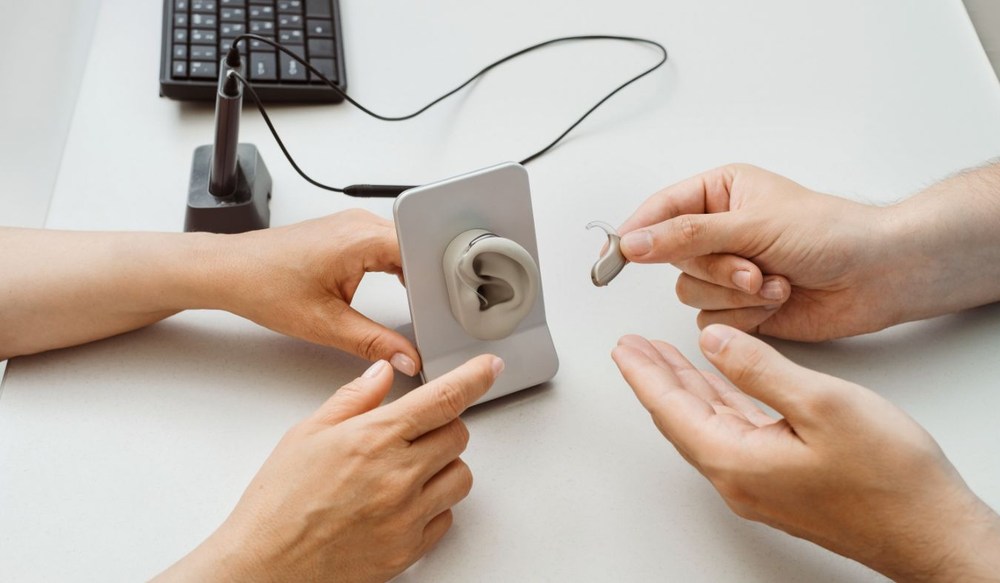
A conversation about upgrading hearing aids usually starts with looking at what has changed since the devices were first fit.

Your audiologist may compare current hearing test results, review how the hearing aids are performing and discuss the listening situations that matter most to you now.

They may also look at the age of the devices, repair history and whether your current technology still matches your hearing and communication needs. In many cases, the decision is less about a specific date on the calendar and more about whether the hearing aids still fit the way you live and listen today.

Choosing the Right Time to Move Forward with New Hearing Aids

Upgrading your hearing aids isn’t only about getting something new. It is about making sure your devices keep up with how you live and hear today.

If you notice more effort when listening, more guessing at words or feel that repairs and adjustments aren’t giving the same results as before, it may be worth looking at newer options. Schedule an appointment with an audiologist to see if new hearing aids are right for you.