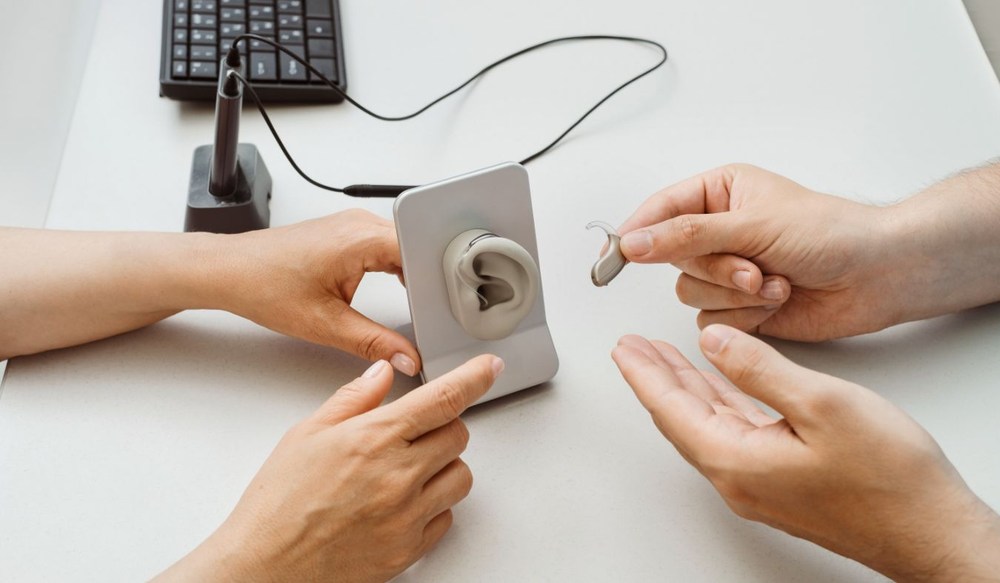
Balance problems are often linked to the inner ear because this small area plays a role in helping the body stay steady.

The inner ear contains structures that sense movement and send signals to the brain about where the body is in space. When something affects these structures, even slightly, a person may feel unsteady, lightheaded or unsure of their footing. These changes can make everyday activities like walking, turning or standing up feel different than usual.

Understanding this connection helps explain why inner ear health is so important for staying balanced and moving comfortably throughout the day.

How Your Body Maintains Balance Every Day

Your body stays balanced by constantly collecting information from several key systems.

The inner ear monitors motion and head position, while your eyes provide visual cues about your surroundings. At the same time, muscles and joints send feedback about movement and posture. The brain combines these signals to keep you upright and coordinated during everyday activities.

When all of these systems are working together, you can walk, turn or even stand on one foot without thinking about it. If one system falls behind or sends conflicting signals, your sense of stability can be affected.

This can make you feel wobbly, dizzy or off-balance, even during simple movements like stepping off a curb or reaching for something on a shelf.

How Does the Inner Ear Help in Keeping You Steady

The inner ear does more than help you hear; it also controls your sense of balance. Inside your inner ear are small structures called the vestibular system, which send signals to your brain about movement and position.

When you turn your head or move quickly, the vestibular system works with your eyes and muscles to keep you steady. If this part of your ear is affected, you may feel dizzy or have trouble keeping your balance.

Medications and Their Impact on Inner Ear Balance

Some medicines can affect how well your inner ear works and may lead to balance problems. Certain antibiotics, water pills or medicines used for treating cancer can sometimes harm the cells inside the inner ear. When this happens, you might feel dizzy or unsteady.

Always let your provider know if you start feeling off-balance after beginning a new medication. They can help decide if your medicine might be causing these changes and suggest safer options if needed.

Infections and Their Effect on Balance

Infections can have a significant impact on balance because they can affect the inner ear, which is crucial for keeping the body steady. When the inner ear becomes inflamed or irritated, it can disrupt the signals it sends to the brain about movement and position.

This can lead to dizziness, a spinning sensation or a general feeling of unsteadiness. Even common ear infections or sinus issues can temporarily affect balance, showing just how sensitive this system is to changes in ear health.

Different Inner Ear Issues That Can Cause Dizziness

Several inner ear issues can lead to dizziness and knowing what to look for can help you get the right support.

Some common causes include fluid buildup from infections, problems with tiny crystals moving in the ear called benign paroxysmal positional vertigo, swelling of inner ear structures like vestibular neuritis or labyrinthitis and changes in pressure due to conditions like Meniere’s disease.

Signs That May Show an Inner Ear Balance Problem

Some signs that may point to an inner ear balance problem include feeling dizzy, lightheaded or as if the room is spinning. You might also notice trouble walking in a straight line or needing to hold onto objects for support.

Other symptoms can be sudden unsteadiness when standing up, frequent falls or feeling off-balance even when sitting still. If you notice these signs often, it could mean your inner ear is not working as it should and you may want to speak with an audiologist.

Knowing When to Get Help for Dizziness or Unsteadiness

Dizziness or feeling unsteady is sometimes easy to ignore or blame on being tired or dehydrated. If these feelings happen often, last a long time or come with other symptoms like hearing changes, it is important to pay attention.

Getting help from an audiologist can improve your safety and quality of life. Waiting too long could lead to falls or lead to potentially worse hearing issues.

Some benefits of seeking help early include getting answers about what is causing your symptoms and learning ways to manage them. It’s normal to feel a bit anxious about the visit but learning what to expect often helps you feel more confident and prepared for the next steps.

Easy Actions at Home to Help Improve Your Balance

You can support your balance at home with simple exercises and habits. These actions may help you feel steadier and lower your risk of falls.

Start with easy steps like standing on one foot while holding a sturdy chair, walking heel-to-toe in a straight line or practicing gentle stretches. Always make sure your space is free from clutter to prevent tripping.

Taking small steps at home can help build confidence and make daily movements feel easier over time.

Staying Aware of Your Inner Ear and Balance Health

Balance problems often connect back to changes in your inner ear, which is why paying attention to dizziness or unsteadiness matters.

These symptoms may not always seem serious at first, but they can affect your safety and independence if left unchecked. Understanding the link between balance and inner ear health helps you recognize when it might be time to get support.

If you notice ongoing issues with balance or frequent dizziness, schedule an appointment with an audiologist. Early action can help find the cause of your symptoms and give you options for managing them effectively. Taking steps now supports both your hearing and overall well-being as you move through daily life.