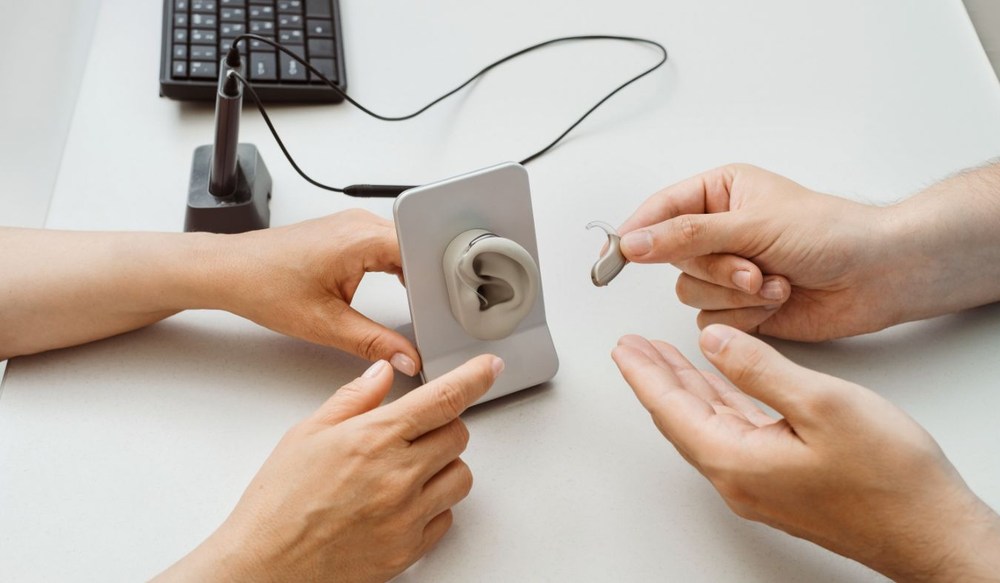
Most people begin looking at hearing aids expecting there to be one clear choice. Then they discover there isn’t a single style that’s right for everyone.
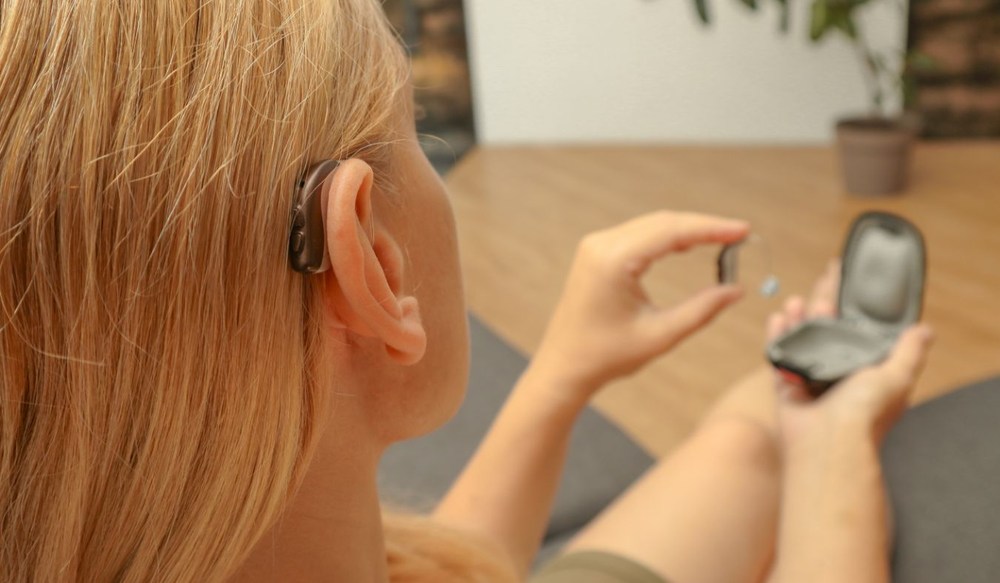
The questions usually start there. Why are there so many different options? Does the style matter as much as the hearing technology?

Appearance is only one part of the decision. Your hearing, your day-to-day routine and what feels comfortable all impact which style makes the most sense for you.

What are the Main Hearing Aid Styles and How Do They Look

If you’ve only seen one or two hearing aids before, the number of different styles may come as a surprise. Some fit completely inside the ear canal. Others fill part of the outer ear.

Behind-the-ear styles rest behind the ear and connect to a speaker or earmold with a thin wire or tube. Because each style sits in a different place, it also looks different when you’re wearing it.

Some are easy to notice, while others are difficult to see unless someone is standing close to you. Appearance is often the first thing people notice.

Your audiologist also considers your hearing, your ear anatomy and your routine before recommending a style.

How Your Hearing Loss Level Guides Style Choices

Your hearing test tells your audiologist how much sound each ear needs across different pitches. Mild hearing loss may allow smaller styles with less power.

More significant loss often requires a stronger receiver, a larger battery or an earmold that holds sound in the ear. Ear canal size also matters because some styles may not have enough room for the parts needed.

Power is only one factor, though. Your audiologist also considers speech scores, ear anatomy and how much room the device needs before recommending a style.

Comfort, Fit and Ear Shape When Selecting a Hearing Aid

The way a hearing aid fits is just as individual as your hearing. Before narrowing down the styles, your audiologist looks at several physical factors that affect how a device will fit and feel:

    • A narrow or sharply curved ear canal may limit which styles fit comfortably.
    • Larger ear canals may have room for styles that aren’t practical in smaller ears.
    • The shape of your outer ear affects how securely behind-the-ear styles stay in place.
    • Glasses, oxygen tubing or other equipment worn around the ears may impact which style feels most comfortable.
    • Limited finger strength or dexterity may make very small hearing aids harder to insert, remove or clean.
    • Frequent earwax buildup or recurring ear irritation may make certain styles a better fit than others.

Ease of Use Including Batteries Controls and Care

The size of the device also changes how those tasks feel from day to day. Larger controls are often easier to press, while small battery doors and buttons can be harder to handle if you have dexterity issues.

Thinking about those tasks before choosing a style often prevents frustration later because your hearing aids need to fit your routine as well as your hearing.

Comparing Hearing Aid Styles with an Audiologist

Looking at hearing aids online or in a display case is different from handling them yourself. Two styles may appear similar until you hold them, put them on or see how they sit in your ears.

Your audiologist compares each option with your hearing test, the shape of your ears and the way you’ll use the devices from one day to the next. Those details often narrow the choices more quickly than appearance alone.

Practical questions become just as important once the options are narrowed down. You can compare how each style is inserted, removed, cleaned and powered.

If you wear glasses, work with your hands or spend time outdoors, those habits may affect which styles are best to wear.

By the end of the appointment, you’re choosing from options that match both your hearing needs and the way you expect to use them.

Choosing the Hearing Aid Style That Fits Your Life Best

Choosing a hearing aid style becomes much less about appearances once you see how many routine factors are involved. The style you wear needs to suit your hearing, fit your ears and work with the way you spend your time.

When those pieces come together, you’re choosing something that’s practical to wear, not simply something that looks right.

Every person’s hearing is different, so it’s normal for the final recommendation to be different as well. A style that works well for one person may not be the right choice for someone else with different hearing needs or a different routine.

If you are not sure which style will be right for you, schedule an appointment with an audiologist. They will help you find the best match for you.