If you are living with diabetes, you probably already pay close attention to your eyes, your feet and your blood sugar levels, but your ears might not be on that list yet.

Many people are surprised to learn that diabetes can affect hearing too. Changes in blood sugar over time can damage the tiny parts of the ear that help you hear clearly, and this may happen so slowly that it is easy to miss.

You might notice yourself turning up the TV more, asking people to repeat themselves or feeling worn out after conversations in busy places.

Understanding how diabetes and hearing are linked helps you notice early signs, know when to talk with an audiologist and make simple changes that support both your hearing and your overall health.

How Diabetes Affects Your Body and Your Ears

Diabetes affects the body in many ways because high blood sugar can damage blood vessels and nerves.

This can lead to issues with circulation, slower healing and changes in how your nerves send signals. These effects are not limited to major organs; they can also influence your ears and how well they function.

In the ears, diabetes can reduce blood flow to the delicate structures responsible for hearing, which may contribute to hearing loss.

Nerve damage from diabetes can also affect how sound signals are transmitted to the brain, making it harder to process speech or distinguish certain tones. Paying attention to your hearing and working with an audiologist can help you monitor these changes and understand how diabetes may be affecting your ears.

Common Signs of Hearing Changes When You Have Diabetes

Hearing changes with diabetes often start in small ways. You might turn up the TV or phone volume more than before, ask people to repeat themselves or feel like others are mumbling, especially in busy places like restaurants or family gatherings.

Ringing, buzzing, or hissing sounds in your ears, needing to lean in closer to hear or feeling extra tired after talking with others can also be signs that your ears need attention.

Some people notice they avoid noisy places because listening feels too hard or draining.

Why Both High and Low Blood Sugar Matter for Hearing

Both high and low blood sugar levels can affect your hearing because they influence how well your ears and auditory nerves function.

High blood sugar can damage blood vessels and nerves, reducing blood flow to the inner ear and interfering with how sound signals reach the brain. Low blood sugar can temporarily affect brain function, making it harder to focus on or interpret sounds accurately.

Keeping blood sugar within a healthy range supports both ear health and the brain’s ability to process sound clearly.

Important Hearing Tests When You Are Living with Diabetes

Regular hearing tests are an important part of diabetes care because they can catch small changes before they turn into bigger problems.

A full hearing check often includes a pure-tone test, where you press a button when you hear soft beeps at different pitches. There is also usually a speech test, which shows how well you understand words at different volumes.

Many audiologists also use tympanometry to check how your eardrum moves and rule out fluid or other middle ear issues. Another helpful test is high frequency testing, which looks at the pitches that often change first with diabetes related hearing loss.

When to See an Audiologist and What to Expect at the Visit

You should consider seeing an audiologist if you notice changes in your hearing, like needing people to repeat themselves, difficulty following conversations in noisy environments, ringing in your ears or a feeling of fullness in your ears.

Regular checkups can also be helpful if you have health conditions like diabetes, as this can affect your hearing. Early evaluation gives you the best chance to address any issues before they become more challenging.

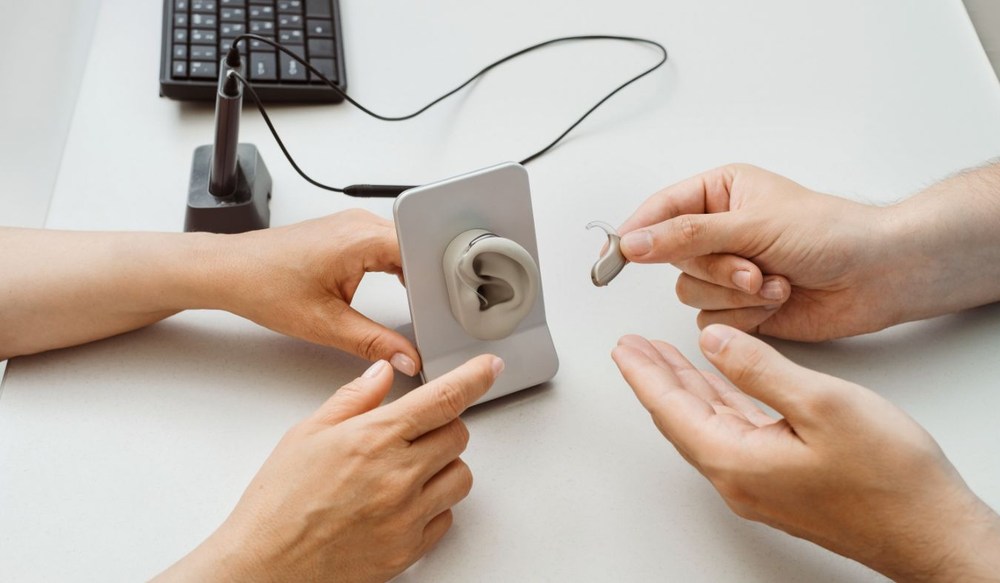
During your visit, your audiologist will start by asking about your health history, any hearing concerns and your listening experiences.

They will then perform a series of tests to evaluate how well you hear different sounds, including speech and tones at various pitches. The results help identify the type and degree of hearing loss and give a clear picture of your auditory health.

At the end of the visit, you will have a better understanding of your hearing and guidance on the next steps to support it.

This helps you walk out with a simple plan that fits into your routine.

Daily Habits That Support Blood Sugar Control and Hearing Health

Maintaining stable blood sugar levels can benefit both your overall health and your hearing. Eating balanced meals that include protein, healthy fats and complex carbohydrates helps prevent spikes and drops in blood sugar.

Regular physical activity also supports circulation and can help keep the tiny blood vessels in your ears healthy. Staying hydrated and getting enough sleep further helps your body regulate blood sugar and keeps your auditory system functioning well.

Monitoring your blood sugar as recommended by your provider gives you insight into how your choices affect your health.

Avoiding excessive sugar and processed foods can reduce strain on your blood vessels and nerves, which may help protect your hearing. Consistently practicing these habits not only supports your diabetes management but also gives your ears the best chance to continue processing sound clearly as you go about your daily life.

Protecting Your Hearing Health When You Live with Diabetes

Diabetes affects many parts of your body, and your ears are an important part of that picture.

Paying attention to early hearing changes, keeping blood sugar in a healthy range, protecting your ears from loud noise and having regular hearing checks all work together to support clearer hearing and better balance.

If you are living with diabetes and notice ringing in your ears, trouble following conversations or new balance problems, it may be time to schedule a hearing test with an audiologist. They will be able to find the right treatment for your specific needs.