When seasonal allergies appear, many people expect the usual symptoms of sneezing, itchy eyes and nasal congestion. What is less commonly recognized is that allergies can also affect the ears and hearing in ways that are not always obvious. The link between the respiratory system and ear health is closer than it may seem, and seasonal allergens can sometimes create problems that go beyond what most people anticipate.

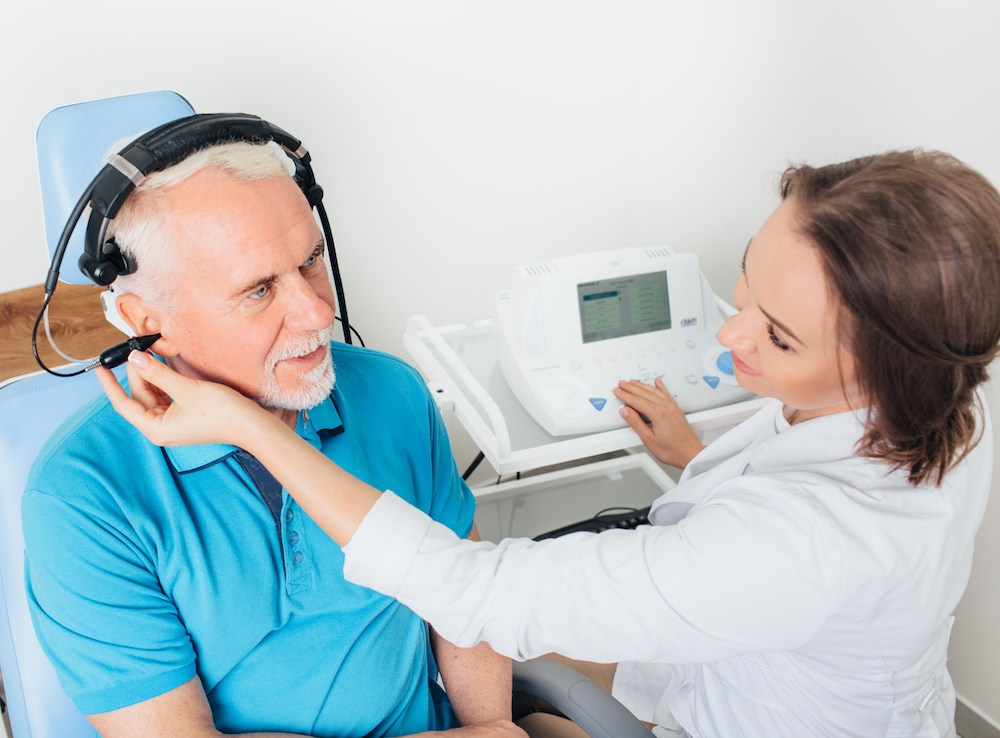
The ears depend on a steady balance of pressure and drainage to work as they should, and allergies can interfere with this process. Inflammation and fluid buildup from an allergic reaction can involve not only the nose and sinuses but also the Eustachian tubes and middle ear. If hearing changes occur during allergy season or if there is a feeling of pressure in the ears, understanding the connection can provide useful context. Consulting with an audiologist can help ensure that both seasonal discomfort and ear health are managed appropriately.

How Seasonal Allergies Can Change the Way Your Ears Feel

When allergy season begins, your ears may start to feel different. Many people experience pressure, fullness or mild pain that was not present before. This occurs because allergies trigger your body to release chemicals that cause tissues to swell and produce more mucus. The Eustachian tube, which balances pressure in your ears, can become blocked or irritated due to this swelling. You may notice muffled hearing or popping sounds when you swallow or yawn. While these sensations are usually temporary, they can be uncomfortable if you already have hearing loss or use hearing aids.

Common Ear Problems That Happen with Allergies

Allergies can lead to several ear problems that might cause discomfort or concern about your hearing. These issues often arise when your body reacts to pollen, dust or other allergens in the environment. You may experience ear fullness, itching or fluid buildup behind the eardrum. If fluid remains trapped for too long, an ear infection can develop.

How Allergies Affect Children’s Ear Health

Children are especially prone to ear problems during allergy season. Their Eustachian tubes are smaller and can become blocked more easily by swelling and mucus. This increases the risk of fluid buildup and ear infections in children compared to adults. If a child frequently has allergies and complains of ear pain or trouble hearing, it is important to pay attention and talk with an audiologist. Early care can help protect their hearing and comfort.

The Role of Over-the-Counter Allergy Medicines

Many people turn to over-the-counter allergy medicines for relief from sneezing and a runny nose, but these medications can also affect your ears. Some medicines help reduce swelling and fluid buildup, making your ears feel better. However, certain types, such as decongestants, may cause dryness in the ear canal or interact with other medications you use.

Hearing Loss and the Challenges from Allergy Symptoms

If you already have hearing loss, allergy symptoms can make hearing even more difficult. Many people notice their hearing seems worse when allergy season starts. Swelling or extra fluid in the ear can make sounds seem muffled or harder to understand. This can be frustrating when clear hearing is important for daily conversations or work. Even minor changes in your ears from allergies can make everyday listening more difficult.

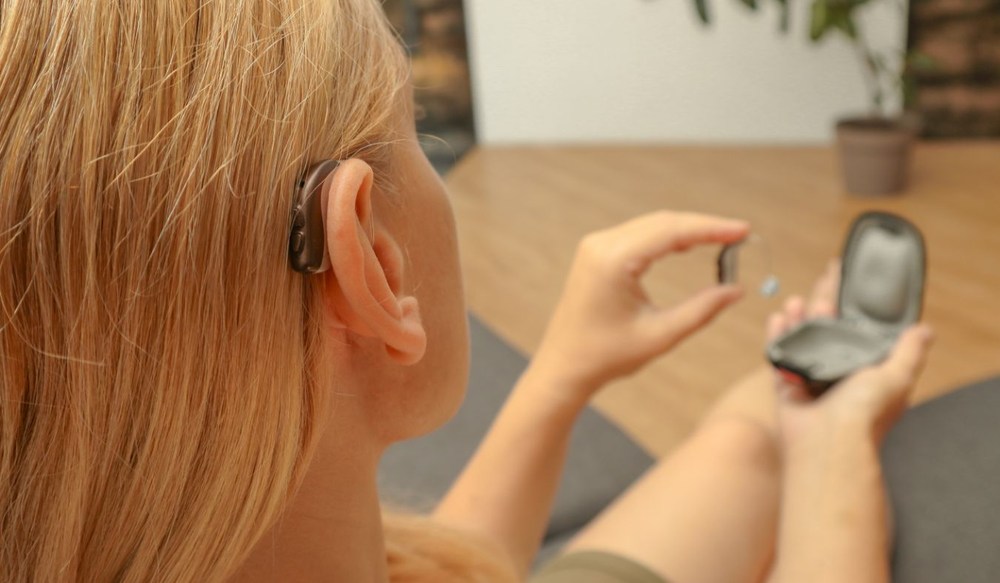
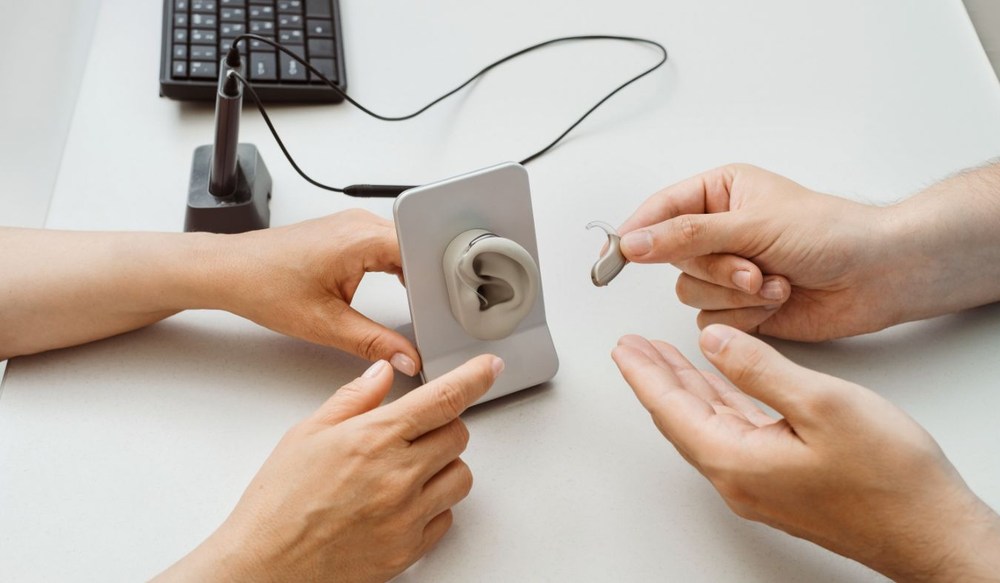
Those who use hearing aids may also notice more issues during allergy season. Extra moisture and swelling in the ear canal can affect how well hearing aids fit or work. Keeping your ears clean and dry, and checking your devices regularly, can help minimize these problems.

Why Allergy Season Can Make Ear Issues Worse

During allergy season, your body’s response to allergens increases swelling and fluid in the ear. This extra fluid can create more pressure and discomfort and sometimes lead to infections if it does not drain properly. People with hearing loss or those who wear hearing aids may find their symptoms become more noticeable during this time. Swelling and moisture in the ear canal can affect both natural hearing and how well hearing devices function.

If these changes are causing frustration, know that there are steps you can take to help manage your symptoms and keep your ears comfortable.

Simple Ways to Keep Your Ears Safe During Allergy Months

Taking care of your ears during allergy months helps prevent extra discomfort and keeps your hearing as clear as possible. Simple changes in your daily routine can make a noticeable difference. Try to limit outdoor activities when pollen counts are high, especially on windy days. Washing your hands and face after being outside removes allergens that might irritate your ears. Using a saline nasal spray or rinsing your nose can also reduce swelling that affects ear pressure.

If you wear hearing aids, clean them regularly to prevent moisture and debris from building up in the devices or your ear canal. Avoid inserting cotton swabs or other objects into your ears, as this can cause more irritation. If you notice pain, fluid or sudden changes in hearing, talk with your audiologist for advice on next steps.

Daily Habits That Help Limit Allergy Effects on Your Ears

Building healthy habits into your daily routine can help reduce the impact of allergies on your ears. Keep windows closed on high pollen days and use air filters at home to lower allergen levels indoors. Showering and changing clothes after being outside helps remove pollen from your skin and hair. Drinking plenty of water helps thin mucus, which may lower pressure in your ears. These simple habits support better ear comfort throughout allergy season.

Knowing When to Visit an Audiologist for Allergy Related Ear Concerns

If allergy symptoms lead to ear pain, sudden hearing loss or drainage from the ear, it is important to seek help from an audiologist. Watch for these signs that mean you should schedule an appointment:

  • Ear pain that does not go away or gets worse.
  • Sudden changes in your hearing or new muffled sounds.
  • Fluid leaking from your ear or signs of infection.

Taking Charge of Your Ear Health During Allergy Season

Managing seasonal allergies plays an important role in keeping your ears healthy and comfortable. By paying attention to symptoms and making small changes in your daily habits, you can help reduce problems like fullness, itching or trouble hearing. If you wear hearing aids or have hearing loss, these steps are especially helpful during times when pollen or dust levels are high.

If you notice ongoing ear pain, sudden changes in hearing or fluid coming from your ears during allergy season, schedule an appointment with an audiologist. Professional advice can help address concerns early and support your ear health throughout the year.