Talking to a loved one about hearing loss can be a sensitive topic, especially if you’re unsure how they’ll respond. You may have noticed signs like asking you to repeat yourself more often, turning up the television volume or seeming less engaged in social settings.

These changes can affect both their daily life and your interactions with them. While it’s normal to worry about how the conversation will be received, approaching it with care can help them recognize a challenge they might not fully see yet.

The way you introduce the topic can make a difference in how it’s received. Choosing the right words and timing helps them hear your observations without feeling criticized or embarrassed.

Focusing on support and practical solutions rather than pointing out flaws gives you a better chance of encouraging them to consider addressing their hearing and seeking guidance.

Choosing the Right Time and Place to Talk

Selecting an appropriate moment and setting can shape how the conversation goes. A quiet, comfortable place helps everyone feel more at ease and ready to listen.

Busy or noisy environments can make these talks stressful or lead to misunderstandings. Try choosing a calm time, so both of you can share thoughts without distractions.

It also helps to consider your loved one’s mood and energy level. Avoid bringing up the topic when either of you is rushed, tired or stressed, as this can make it harder to communicate effectively.

Giving yourself enough time for a thoughtful discussion allows both of you to speak openly and ask questions. Planning ahead for a setting that is private and free from interruptions shows respect and care, increasing the likelihood that the conversation will be productive and supportive.

Noticing Changes That Suggest Hearing Loss

Recognizing the signs of hearing loss can be difficult, especially when changes happen gradually. You may notice small shifts in daily life that point to possible hearing changes, often during conversations or while watching TV together.

Some common signs include:

  • Frequently asking others to repeat themselves.
  • Turning up the volume on the TV or radio higher than before.
  • Responding in ways that do not match the question or topic.
  • Missing doorbells, alarms or phone rings.
  • Withdrawing from group settings because following conversations is difficult.

Involving Other Family Members in the Conversation

Bringing other family members into the conversation can help your loved one feel supported rather than singled out. When several people gently share their observations, it shows that others care about their well-being and have noticed similar changes.

It is helpful for everyone involved to agree on what to say ahead of time. Speaking kindly and avoiding pressure keeps the conversation supportive and focused on helping your loved one take positive steps.

Why It is Important to Start the Conversation Early

Addressing hearing loss early can make it easier for your loved one to adjust and find helpful solutions. Waiting too long may lead to feelings of isolation or frustration. Early conversations help keep everyone connected and comfortable.

Some benefits of starting the conversation early include:

  • Your loved one can get support sooner.
  • Communication remains clear, which helps relationships stay strong.
  • Family gatherings and outings become less stressful.

Finding a Comfortable Setting for Your Discussion

A familiar and quiet setting can lower stress and make the conversation feel more natural.

Choosing a calm environment helps everyone focus on what is being said and encourages honest discussion about hearing loss. This also shows respect for your loved one’s feelings and can lead to a more positive outcome.

Paying Attention to Concerns and Feelings

Listening carefully when your loved one shares thoughts about hearing loss shows that you care about their worries.

Some people may feel nervous or embarrassed discussing this topic. Being patient and giving them time to express themselves can make the conversation more comfortable for everyone.

Suggesting a Meeting with an Audiologist

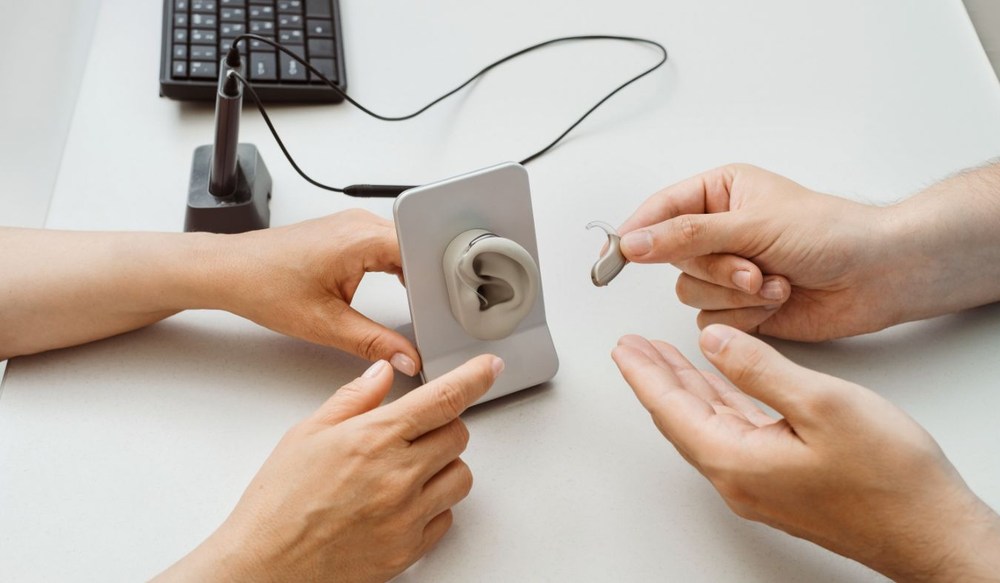
Bringing up the idea of meeting with an audiologist may feel like a big step, but it is often the most helpful one. Audiologists are trained to identify the cause of hearing changes and offer advice about the best next steps.

It is normal for people to feel unsure about seeing an audiologist. Let your loved one know that caring for their hearing health is just as important as any other part of their well-being, and that support is always available.

Staying Supportive After You Talk

Ongoing support after your conversation helps your loved one feel confident and comfortable. Let them know you are available for any questions or concerns that come up later. Checking in from time to time can make a real difference.

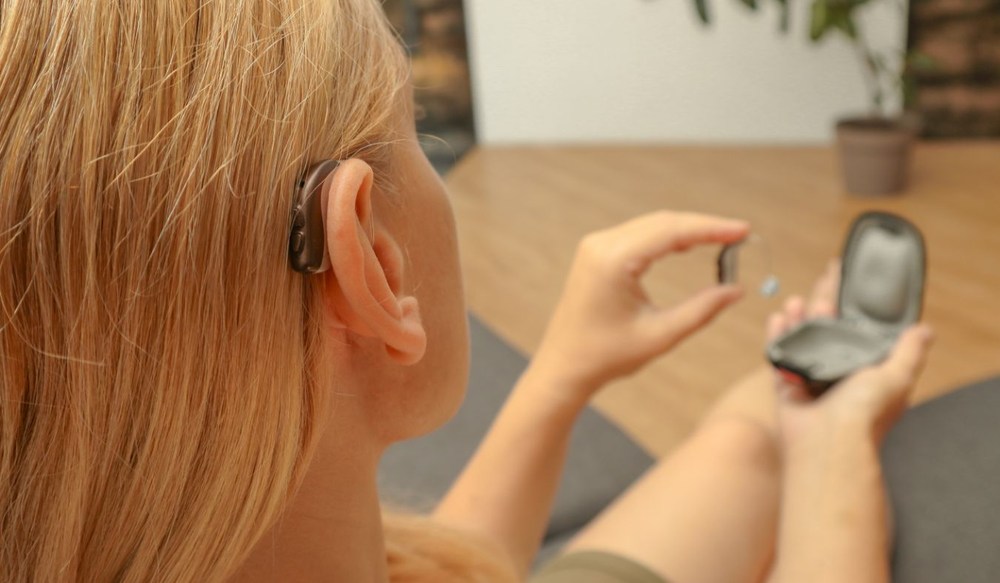
Encourage your loved one to share updates about how they are feeling or if they notice any changes in their hearing. Remind them that adjusting to new routines, like wearing hearing aids, takes time and patience.

If your loved one decides to visit an audiologist, offering to go with them can help lower stress and show that you care about their well-being. Being present during appointments helps build trust and keeps communication open as they adjust to changes in their hearing health.

Helping Loved Ones Take the Next Step Toward Better Hearing

Talking about hearing loss with someone close may feel sensitive, but taking thoughtful steps can make these conversations more comfortable for everyone involved. Choosing the right time and place and listening carefully all contribute to a supportive environment.

If you notice signs of hearing loss in someone you care about, schedule an appointment with an audiologist, as they will be able to find the right treatment for you or your loved ones needs. Support from family members can make this process easier and more positive.